

Confidence is more than just a personality trait—it’s a foundation for lifelong success. When children feel confident, they’re more willing to take on challenges, ask questions, and explore new ideas. This quality helps them build resilience and develop strong social skills early in life.
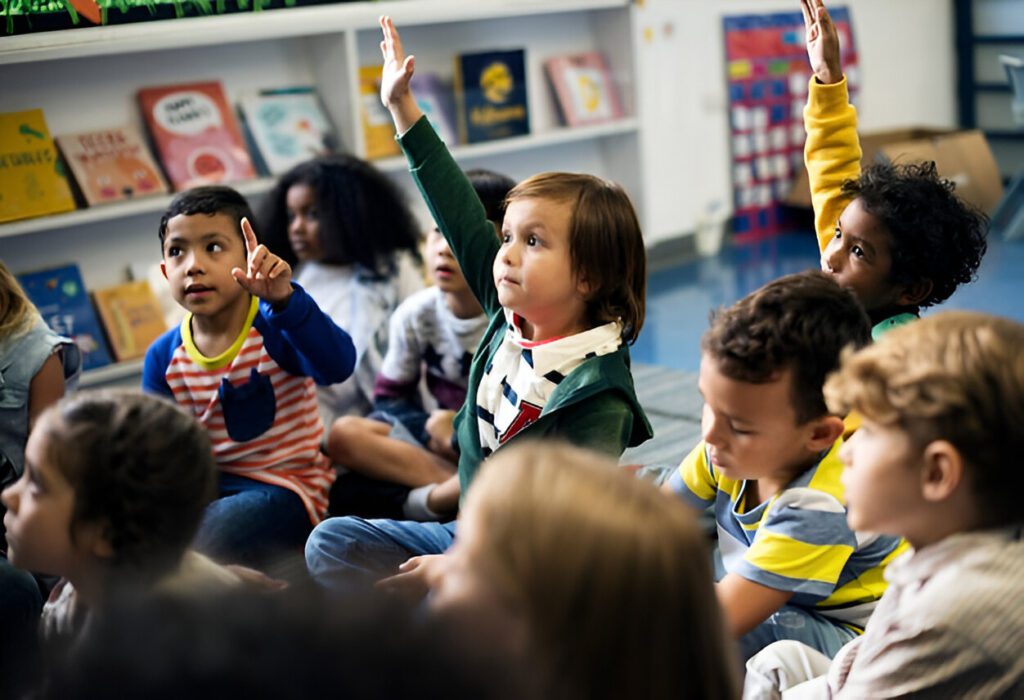
The Role of Pre Primary School in Shaping Young Minds
Enrolling children in a pre primary school is often the first major step in nurturing confidence. These early learning environments are designed to introduce kids to social interaction, structured play, and creative learning activities. Unlike traditional classrooms, pre-primary programs focus on experiential learning, helping children build self-esteem through exploration rather than pressure.
In these early years, children learn not only alphabets and numbers but also vital skills such as communication, sharing, and expressing emotions. A warm and welcoming classroom allows kids to feel safe, encouraging them to try new things without fear of failure.
How Early Learning Boosts Emotional Security
One of the key benefits of early schooling is emotional development. When children attend school at a young age, they gradually adapt to being away from their parents while forming trusting relationships with teachers. This transition builds independence and emotional security, both essential for confidence.
Positive reinforcement from teachers plays a critical role. Small achievements—like completing a puzzle or speaking in front of the class—are celebrated, which reinforces a child’s belief in their abilities.
Building Confidence Beyond Academics
A good early education program focuses on holistic growth, not just academics. Activities like storytelling, art, music, and group play help children express themselves creatively and collaborate with peers. These opportunities teach them that their ideas and efforts matter, laying a strong foundation for self-assurance.
Parents often notice a big difference when schools incorporate structured play and interactive sessions. In fact, programs that emphasize hands-on learning at a pre primary school often see children becoming more curious, communicative, and confident in a short span of time.
Why Social Interaction Matters
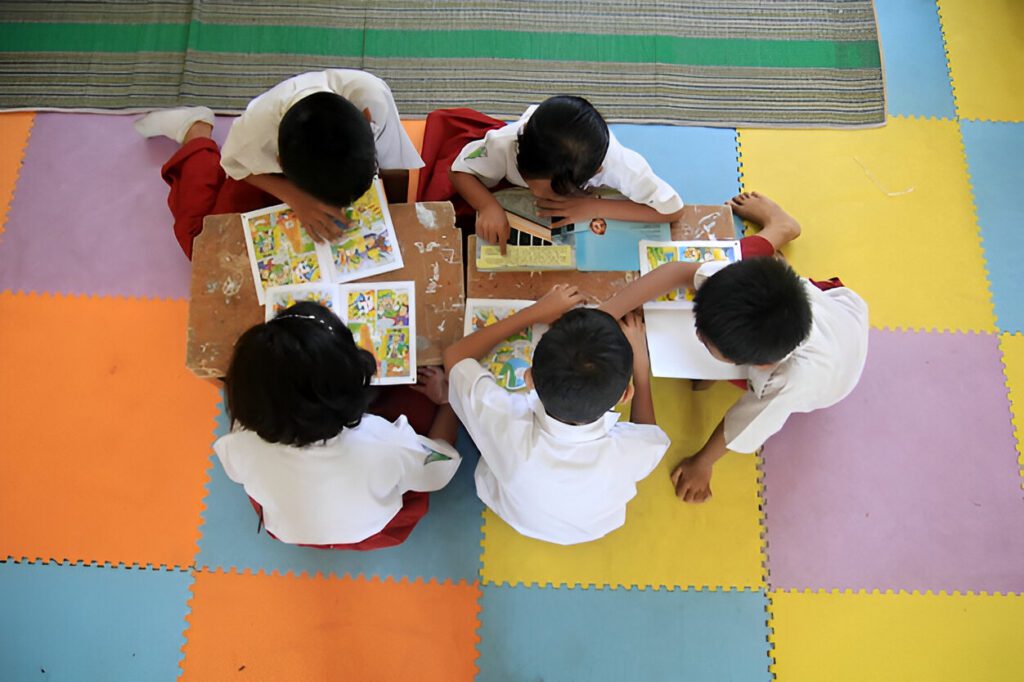
Early schooling offers a unique setting where kids interact with other children of the same age. These social experiences are invaluable for confidence building. Children learn to share, take turns, and work in teams—all skills that help them thrive in later stages of education.
Through group activities, children discover how to express opinions, listen to others, and handle disagreements constructively. These experiences reduce hesitation and fear of judgment, which are common barriers to confidence.
The Parent-School Partnership
Confidence-building doesn’t end when school hours do. The best results come from strong collaboration between parents and teachers. Regular communication, feedback sessions, and active involvement in school activities ensure consistency in how children are guided.
When parents reinforce positive behaviors learned at school, children gain a sense of stability. This continuity between home and school environments helps confidence grow naturally.
Preparing for a Bright Future
Early schooling is not just about preparing for academics; it’s about preparing for life. When children start their educational journey with a sense of confidence, they are more likely to perform well in school and navigate challenges with ease. A confident child is more open to learning, more adaptable to change, and better equipped for future success.
Related Posts

